Publication
Negotiating Endorsement Deals In Nigeria
Published 24 January 2026 • Last modified 24 January 2026
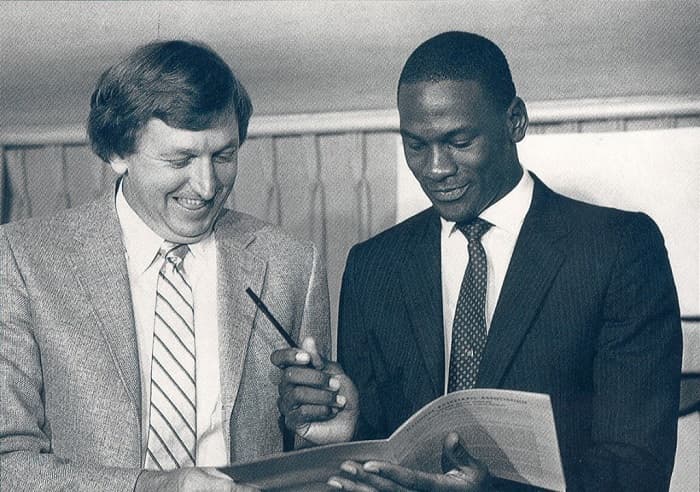
Endorsement deals are highly rated in the music industry, especially as they offer great potential if drafted strategically.[1] These contracts, (sometimes referred to as branding agreements) serve as a marketing strategy businesses adopt foradvancing their product, building awareness, and gaining trust with their target audience. It is a practice adopted not just in Nigeria, but globally.[2] The practice is to engage an artiste to endorse a brand’s product. These agreements often have significant implications for artistes, particularly because they involve the licensing of their intellectual property, image, or likeness. Therefore, it is crucial for artistes to carefully negotiate these agreements to safeguard their rights
This article discusses the importance of negotiating an endorsement deal and provides practical insights on areas artistes should pay attention to when negotiating endorsement deals
WHAT IS AN ENDORSEMENT DEAL?
An endorsement deal is a contract entered between a high-profile individual (usually a celebrity or influencer in any industry) and a company to promote or recommend the company’s product or services. In exchange for this endorsement, the company pays compensation in monetary value or in kind.[3]
A well-negotiated endorsement deal can change the fortune of both parties. An example of this is Michael Jordan’s endorsement deal with Nike in 1984 involving the production and endorsement of Air Jordans. This deal has generated millions of dollars for both Nike and Michael Jordan to date. [4]
TEN IMPORTANT POINTS FOR MUSICIANS TO NOTE WHEN NEGOTIATING AN ENDORSEMENT CONTRACT
Exercising caution when negotiating a contract allows for greater flexibility in defining rights and restrictions between the parties. It also establishes clear duties for each party, helping to prevent future conflicts. Artistes should pay close attention to the following areas when negotiating an endorsement deal:
1. The Parties: It is important to ascertain the parties to the contract. Most artistes enter the contract using their names or are represented by their managers, record labels or others. Artistes must ensure that the designated party aligns with their interests and does not conflict with prior agreements with their record label or management.
2. Clearly define the endorsement products or services: Defining the products or services covered by the contract helps each party understand their rights and obligations. The agreement should explicitly outline the scope of work required from the artiste, including key details such as the number of appearances the artiste will make to promote the product, whether the endorsement applies to all the company’s products or a specific one, and whether the artiste is expected to support any other company project. Addressing these issues ensures clarity and prevents potential misunderstandings.
3. Limitation of use: Endorsements are entered into for different purposes and uses. It is ideal for artistes to negotiate the extent of the brand’s use of their intellectual property and likeness. This negotiation should address the duration, platform, and location of use. This is a good consideration, especially when a company has subsidiaries globally or where the use of the artiste’s intellectual property on certain media would conflict with third parties existing rights.
4. Determining the term of the license: The “term” denotes the period in which the intellectual property rights can be actively and publicly used. The brand could use the license indefinitely where a contract has no cut-off point. Depending on the terms of the agreement, this may preclude the artiste from engaging in other endorsement deals currently and, in the future, affecting the artiste’s economic rights.
5. Compensation: The cost behind each endorsement deal speaks volumes about the artiste’s reputation or market value. It is best to negotiate compensation commensurate with the scope of endorsement and the artiste’s market value. The preferable compensation should be a percentage of products sold where a product is being endorsed.
6. Exclusivity clauses: An exclusivity clause enables corporate brands to restrict an artiste’s association with other brands. It is best to ensure that this clause is not overreaching. It is advisable to restrict the exclusivity clauses to a specific product type or current project of the corporate brand that needs to be endorsed.
7. Prior approval of advertisement content: Since most brands are fully in charge of running the advertisement campaigns, they may feel the need to exercise absolute control over the creation and distribution of content. An artiste can incorporate a prior approval clause to safeguard their intellectual property and image rights.
8. Expenses: These contracts could involve significant costs in their execution therefore, it’s important to state who bears the responsibility for operational expenses.
9. Force majeure clauses: Unexpected events and changes may occur during the performance of the contract that can affect the rights and responsibilities of either party. Examples of these include; natural disasters (e.g., floods or earthquakes), pandemics, government-imposed restrictions, civil unrest, or unforeseen illness or injury affecting the artist. It is ideal to include a “Force majeure” clause to protect both parties from liability in the event of circumstances beyond their control. This clause ensures that obligations are suspended or renegotiated during such events, preventing disputes and safeguarding the relationship between the artiste and the brand.
10. Considering previous engagements: Since different brands engage musicians at different times, it is vital to the artiste to ensure a recent endorsement does not violate previous agreements with sponsors, marketers, companies, and other third parties.
COMMON PITFALLS TO AVOID
1. Signing without comprehending the terms of the agreement: The excitement of acquiring an endorsement deal may deter caution. This can lead to a breach of contract in the future with significant cost implications and damage to the musician’s reputation. Artistes are advised to thoroughly read through the terms and conditions of the contract before signing. It is advisable to employ the services of an entertainment lawyer to explain and break down complex words and clauses to get a clearer understanding before proceeding to sign the contract.
2. Overestimating advances: Most corporate brands propose to pay an advance percentage of the cost of the endorsement. While advances are attractive, one must remember they are mostly recoupable. It is therefore advisable to negotiate more favorable terms concerning advances.
3. Overlooking long-term implications: Consider the long-term implications of the contract. What seems like a lucrative deal at the time of commencement may turn out to hold dire consequences in the future. Hence, artistes need to consider the long-term implications of such contracts.
CONCLUSION
Endorsement deals are sales tickets for both artistes and the corporate brand. Building a thriving career in the music industry sometimes relies on an artiste’s ability to successfully negotiate endorsement agreements and contracts. Hence, artistes need to pay keen attention to the clauses of an endorsement deal. The clauses discussed in this article are not exhaustive therefore, it is advisable to engage the services of an experienced intellectual property lawyer or entertainment lawyer to negotiate these contracts.
La Peritum Law Practice’s team of entertainment lawyers can assist you in navigating the complexities of negotiating endorsement agreements. Please email us at enquiries@laperitum.com or click here to contact us directly.
[1]Emma Harding, Branding and Endorsement. The growing importance of branding and the developing legal framework: in Ann Harrison and Tony Rigg, “The Present and Future of Music Law”, (Bloomsburry Academic)2021, 247
[2] Runsensible “what is an endorsement deal” https://www.runsensible.com/blog/endorsement-agreement/ Accessed November 8, 2024.
[3] Sponsorship and Endorsement Deals, Crown LLP https://crownllp.com/blog/sponsorship-and-endorsement-deals/ < accessed Nov. 22, 2024
[4]TOI sports, The Story of Nike and Michael Jordan Iconic Partnership, 21 September, 2024 https://www.google.com/amp/s/timesofindia.indiatimes.com/sports/more-sports/others/ accessed 20 November, 2024.
Latest Publications

Digital Piracy: Copyright Protection In The Digital Age
The digital age has revolutionized the way creators share their work, enabling them to reach a globa
24 January 2026
Trademarks Registration in Nigeria: A Guide for Businesses
Introduction Owning a trademark in Nigeria involves following due process, meeting certain requireme
24 January 2026

Assets Distribution and Spousal Support in Nigeria
Asset distribution and spousal support are central issues in most divorce cases in Nigeria. However,